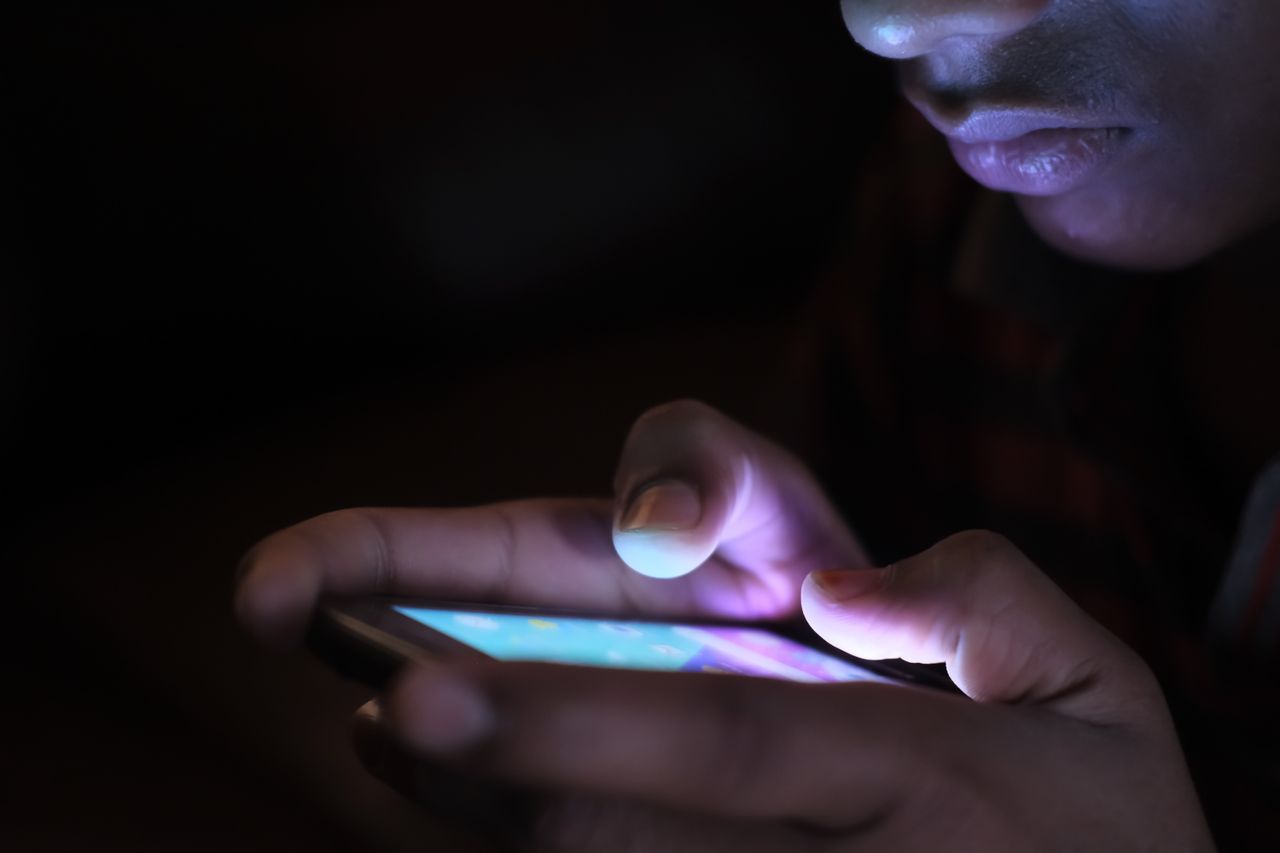
Your Holiday Photos Are a Map: How Oversharing Online Fuels Targeted Kidnappings
Syndicates no longer have to follow you to learn your routine — increasingly, you post it. How over-sharing on social media feeds targeted kidnappings, and a practical digital-hygiene checklist for families.
The old image of a kidnapping syndicate is a car parked across the road, watching a house for days. The new one is a laptop. Security analysts have begun warning of a quieter risk behind South Africa's kidnapping surge: over-sharing on social media is helping criminals select and profile their targets — without ever leaving a screen.
It makes grim sense. Kidnapping has become one of the country's fastest-growing crimes, with Gauteng alone averaging around 27 reported cases a day, and investigators describe syndicates that are increasingly methodical — observing targets and building profiles before they move. The more of that profile you publish yourself, the less work they have to do.
What your posts give away
Individually, a post is harmless. Assembled, a public feed can hand a stranger a remarkably complete picture:
- Wealth signals. The new car, the watch, the renovation, the overseas trip — markers that flag a household as worth targeting.
- Routine. Gym check-ins at the same time, the school-run photo, "Friday drinks at our usual spot". Patterns are what a profiler buys with surveillance time — and you may be giving them away for free.
- Location. Geotags, the house number in the background, the school badge on a uniform, the street sign in a driveway selfie.
- Real-time absence. "Finally on holiday!" posted from the airport tells the world the house is empty and exactly how long it will stay that way.
- The family map. Tagging children, naming their school, posting their sports fixtures — drawing a line straight to the most vulnerable members of the household.
A digital-hygiene checklist for families
You do not have to disappear from the internet. You do have to be deliberate.
- Lock down your audience. Set accounts to private and prune your follower and friend lists to people you actually know. A "public" profile is a billboard.
- Post on a delay. Share the holiday, the restaurant, the trip — after you are home. Never broadcast that a house is empty or where you are right now.
- Strip the location. Turn off geotagging, and check backgrounds for house numbers, street signs, number plates and school crests before you post.
- Protect the children. Avoid posting school names, uniforms, routines and fixtures. Ask family and friends not to tag your kids or reveal their whereabouts.
- Audit what's already out there. Search your own name. Look at your feed the way a stranger would and remove the posts that map your life.
- Mind the small accounts. Fitness apps, public running routes and "checking in" features can quietly publish your exact patterns.
Teach the household, not just the children
Targeted profiling works on the weakest privacy setting in the family. A locked-down parent undone by a teenager's public account, or a domestic worker tagged at the address, still leaks the map. Make digital hygiene a household conversation, not a rule imposed on the kids alone.
If the worst happens
If you or a loved one is ever taken, the guidance from every expert is consistent: do not resist over money or property, stay calm, comply, and observe what you safely can. The priority is reaching release unharmed.
- Call 10111 the moment you are safe, and your bank's fraud line if any transfers were forced.
- If a family member is missing and you suspect a targeted abduction, report it immediately — there is no waiting period — and post the case on Missing People South Africa with a recent photo and last-seen details, so nearby users can respond while the trail is fresh.
Privacy is not paranoia. In a country where kidnapping is rising and profiling is part of the playbook, the quietest, cheapest form of family security is simply choosing what not to post.
Sources: IT News Africa, "Oversharing on Social Media is fuelling Targeted Kidnappings" (December 2025); ISS Africa analyses of kidnapping and targeted victim-selection (2025–2026); SAPS quarterly crime statistics and Gauteng kidnapping reporting (2026).
Emergency: SAPS 10111 · Report cases on missingpeople.co.za

About Calisto Chipfumbu
Calisto Chipfumbu is a contributor to our platform.
Join the Discussion
Share information, tips, or updates about this case. Your contribution could make a difference.
Help us maintain a safe community by requiring sign-in for all comments