
Held for Your PIN: Inside South Africa's Express Kidnapping Surge
Gauteng is recording 27 kidnappings a day, and a growing share are "express" abductions — victims driven around for hours and forced to empty their banking apps. Here is how the crime works and how to lower your risk.
South Africa's kidnapping problem has changed shape. The headline-grabbing ransom cases still happen, but the fastest-growing version is quicker, more random, and aimed at something almost all of us carry: a phone full of banking apps.
What the numbers say
Between January and March 2026, Gauteng recorded 2,452 kidnapping cases — more than 75% of the national total, and an average of 27 kidnappings every day in that province alone. Johannesburg averaged around 11 reported kidnappings a day over the same period.
Within those numbers, police and analysts are tracking a surge in so-called express kidnappings: victims are grabbed — often at gunpoint after being followed from a mall, a bank, or a night out — held for a few hours, driven around the city, and forced to transfer money, approve payments, and hand over access to their digital lives before being released.
The "express" label matters. These are not week-long ransom negotiations. The entire crime is often over in an evening, which makes it attractive to syndicates: less risk, fast money, and a victim pool that includes anyone with a smartphone.
How the crime typically unfolds
Private investigators who work these cases describe syndicates that are increasingly methodical — observing potential targets, noting routines, and building profiles before they move. Common patterns include:
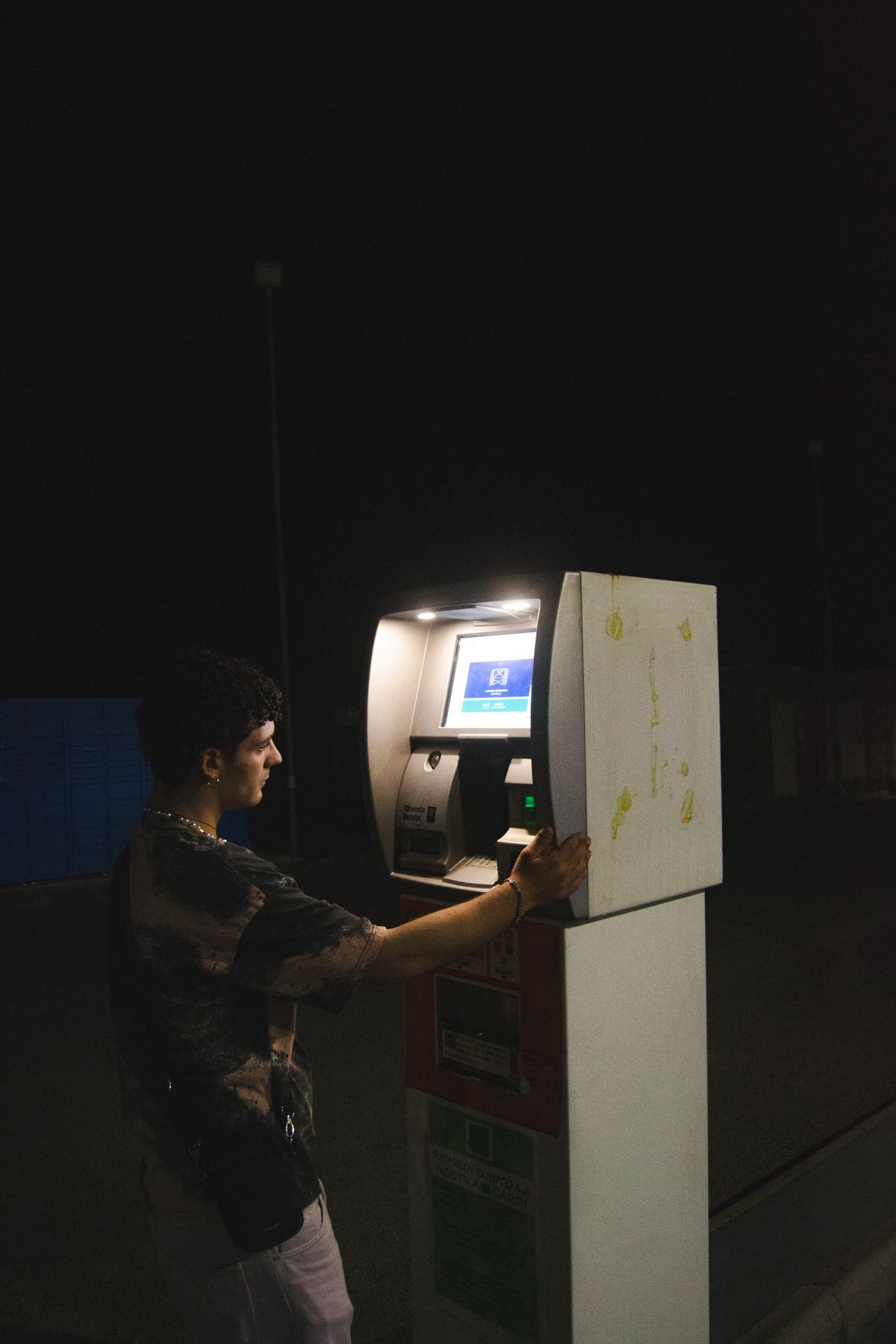
- Following from a transaction point. Victims are spotted at ATMs, banks, or after big cash purchases and followed until they stop somewhere quiet.
- Blessing-style luring. Contact made online — including via dating platforms — leads to a meeting that turns into an abduction.
- Vehicle blocking. A car boxes the victim in at a gate, driveway, or quiet intersection.
Once the victim is in the vehicle, the demands are predictable: unlock the phone, reveal PINs, raise transfer limits, approve instant payments, and in some cases hand over crypto or e-wallet balances.
Lower your exposure before anything happens
- Cut your daily limits. Set your instant-payment and daily-transfer limits to the minimum you can live with. A criminal cannot steal what the app refuses to send. You can raise limits temporarily when you genuinely need to.
- Separate your money. Keep the bulk of savings in an account that is not linked to your everyday banking app, or that requires a second device to access.
- Be deliberate after withdrawals. Vary routes, check mirrors, and treat your own gate or driveway as the highest-risk point of any trip.
- Tell someone. If you are meeting a stranger — buyer, seller, date — share your live location with a person you trust.
If it happens to you
Every credible safety expert says the same thing: your life is worth more than your balance. Do not resist, and do not negotiate. Comply, stay calm, and concentrate on details you can safely observe — voices, names used, route landmarks, the vehicle's interior. Most express-kidnapping victims are released once the money moves; your job is to get to that point unharmed.
Afterwards:
- Call the police on 10111 as soon as you are safe.
- Call your bank's fraud line immediately — some transfers can still be frozen.
- Get medical attention and open a case at your nearest police station. There is no waiting period for reporting a kidnapping.
- If a loved one is missing and you suspect an abduction, report it immediately — to SAPS and on Missing People South Africa, where a live report can reach thousands of nearby users.
The bigger picture
Kidnapping has become one of South Africa's fastest-growing violent crimes, and the express variant thrives on silence — many victims never report because "nothing was taken but money". Reporting matters: it is how hotspots get mapped, syndicates get linked across cases, and pressure builds for a policing response that matches the scale of the problem.
Sources: EWN (26 May 2026), Independent on Saturday (27 May 2026), allAfrica/Johannesburg express-kidnapping reporting (3 June 2026), TimesLIVE (23 March 2026), DA Gauteng provincial crime-statistics briefing (May 2026).
Emergency: SAPS 10111 · Missing Children SA 072 647 7464 · Report cases on missingpeople.co.za

About Calisto Chipfumbu
Calisto Chipfumbu is a contributor to our platform.
Join the Discussion
Share information, tips, or updates about this case. Your contribution could make a difference.
Help us maintain a safe community by requiring sign-in for all comments