
Home From Myanmar: The "Dream Job" That Was a Trafficking Pipeline
Twenty-three South Africans are home after being lured to Southeast Asia by fake job offers and forced to run online scams under armed guard. The recruitment playbook is now well documented — here is how to recognise it.
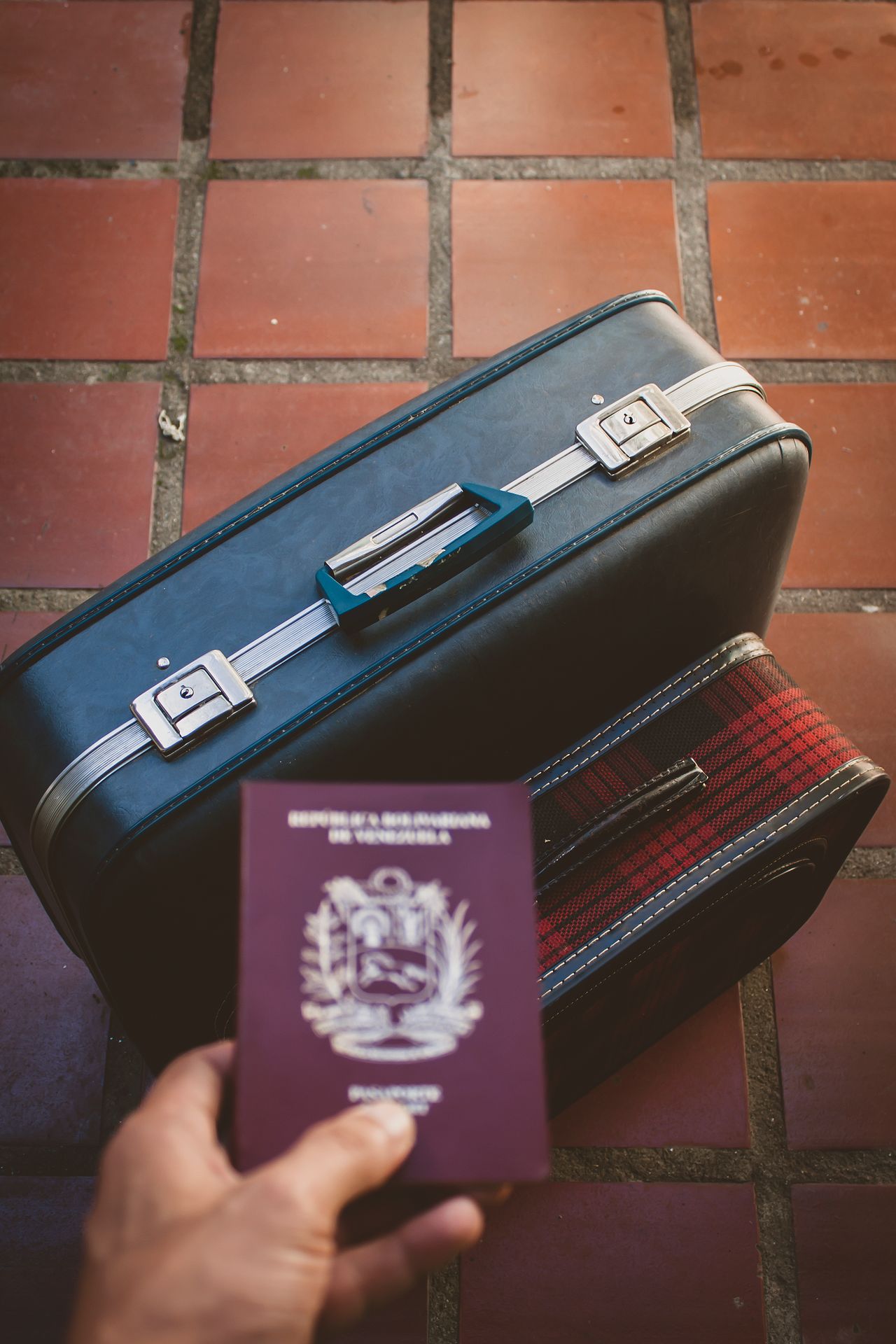
The job advert looked legitimate: hospitality and marketing positions in Thailand, salaries of up to R15,000 a month, flights paid, no experience needed. For dozens of young South Africans, it ended in a guarded compound across the Myanmar border, passport confiscated, working sixteen-hour shifts running online romance and investment scams — as both victim and unwilling perpetrator.
This month, 23 South Africans arrived home after a complex repatriation managed by DIRCO through the South African Embassy in Thailand. Others remain stranded after escaping the compounds, navigating a foreign legal system with no documents. Human-rights monitors estimate that more than 100,000 people from across the world are still trapped in Southeast Asia's industrial-scale scam centres.
This is not a faraway story. The recruitment happens here — on South African job boards, Facebook groups, WhatsApp and Telegram channels — and it specifically targets South Africans aged 18 to 35 with good English and computer literacy.
The playbook, step by step
The cases that have come to light follow a script so consistent that knowing it is genuine protection:
- The offer. Hospitality, customer service, marketing, teaching, or "data entry" — in Thailand, sometimes Dubai or Laos. The salary is generous for the qualifications asked. Flights and accommodation are covered.
- The rush. Interviews are by chat or a brief video call. The recruiter pushes urgency: the position closes Friday; another candidate is waiting.
- The travel switch. Victims fly to Bangkok on a tourist visa — explained away as "normal for the onboarding period". They are met at the airport by a driver.
- The border. The "transfer to staff housing" is a long drive that ends with a river crossing or remote border post into Myanmar. By the time anyone understands, they are in territory controlled by armed groups.
- The compound. Passports are confiscated "for registration". Targets and quotas are issued. Beatings, fines, and being sold to another compound follow for those who refuse or underperform. Families back home receive ransom demands dressed up as "contract-breach fees".
Red flags that should end the conversation
- Salary clearly above market rate for an unskilled or vaguely described role
- No verifiable company — no registration, no physical address you can confirm, a website registered last month
- Interview conducted entirely on WhatsApp or Telegram
- Employer arranges everything and asks you to travel on a tourist visa for a work position — this is never legitimate
- Pressure to decide within days, discouragement from telling family details
- Any request to hand over your passport, at any stage, to anyone. Your passport never leaves your possession. Not with a recruiter, not with an employer, not "for safekeeping".
Before you say yes to any overseas job
- Verify the company independently — registration records, a landline you find yourself (not one they give you), staff on LinkedIn with histories
- Contact DIRCO or the nearest South African embassy to the job's location and ask them to confirm the employer is known
- Insist on a proper contract reviewed before travel, and the correct work visa arranged before departure
- Leave copies of your passport, ticket, contract, and the recruiter's details with family, and agree on check-in calls with a code word that means "I am not safe"
If you suspect trafficking
Whether it is a job offer that smells wrong, or a family member abroad who has gone quiet, call the National Human Trafficking Helpline on 0800 222 777 — it operates around the clock. If someone is missing and you believe recruitment was involved, report the case to SAPS on 10111 and post it on Missing People South Africa with everything you have: the job advert, the recruiter's numbers, flight details. Those breadcrumbs have brought people home.
Do not attempt to negotiate with or confront traffickers yourself — report instead.
Sources: The Mercury / Cape Times (June 2026 repatriation reporting); Moneyweb (June 2026); EWN expert briefing on job-scam trafficking (22 May 2026); APA news (June 2026); Africa Uncensored scam-compound investigation (2 June 2026).
Emergency: National Human Trafficking Helpline 0800 222 777 · SAPS 10111 · Report cases on missingpeople.co.za

About Calisto Chipfumbu
Calisto Chipfumbu is a contributor to our platform.
Join the Discussion
Share information, tips, or updates about this case. Your contribution could make a difference.
Help us maintain a safe community by requiring sign-in for all comments